Thank you Orange for nominating me – people please do check out her awesome blog and selection although I have to confess this one is my favorite and not just because it breaks the rules 😉
If you are worried and upset at having missed my earlier posts on this challenge here are the links 😀
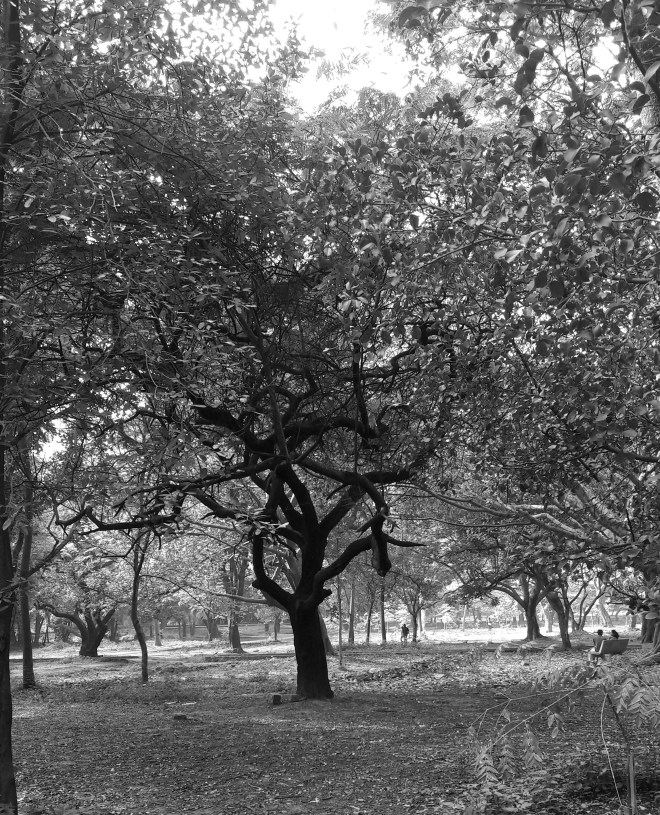
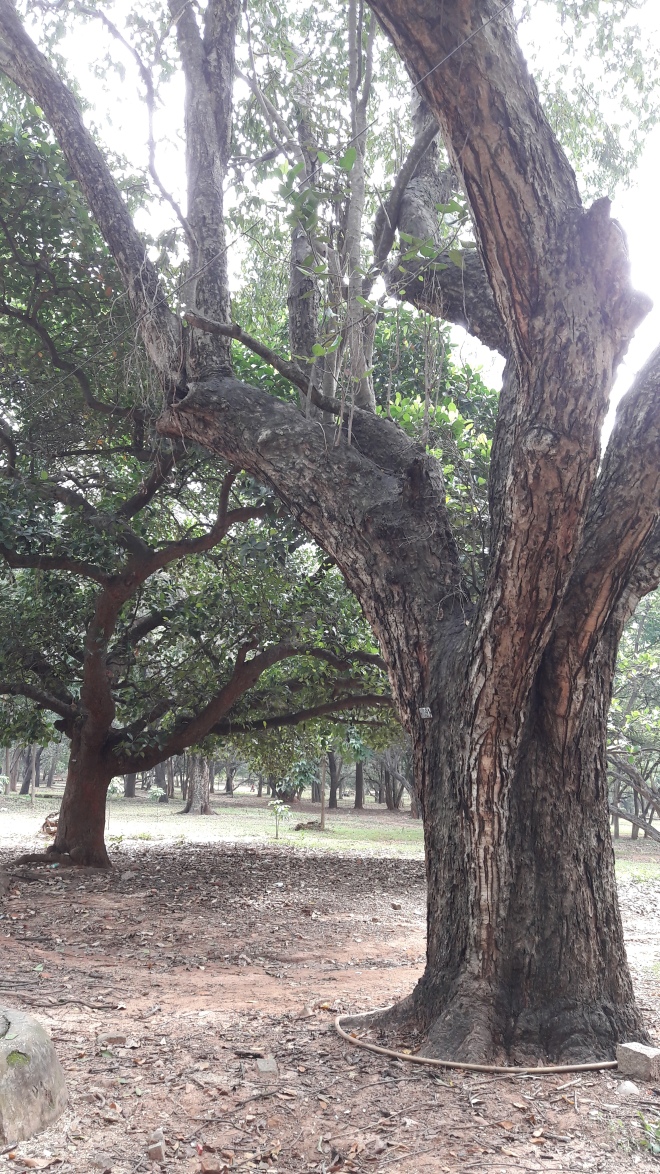
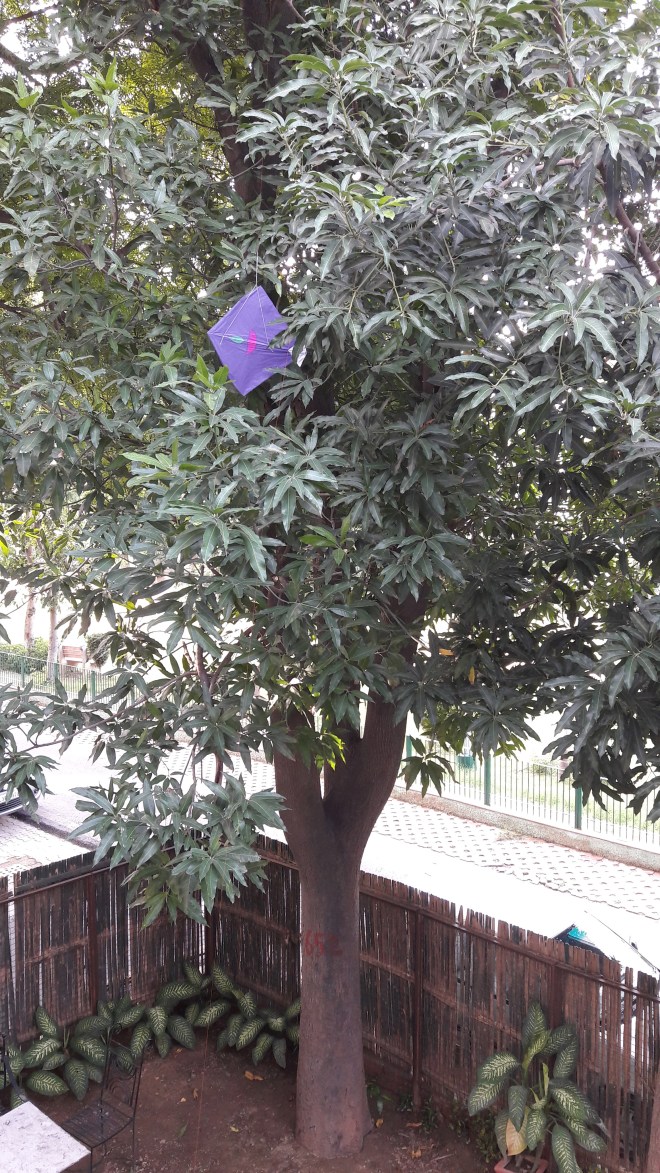
Recently I had been to Bengaluru for a quick family trip. We managed (;) to make time to visit Cubbon Park spread over 300 acres with more than 6000 trees. And stunning gorgeous ones too. Don’t worry you too shall feast your eyes upon them by and by. The first of them is here but today for Becca’s Sunday Trees I have a tree from elsewhere in Bengaluru. It fruits (budding blossoms?) looked like what I imagine prickly pear would. But I couldn’t find out which tree it was – perhaps you can identify it for me?
Lush green and sprightly, she swayed with the winds, laughing at the elements as they cared for her like their own.
Only she wasn’t.
She was meant for another garden.
It was her prarabhda* to nurture and provide for strangers, to steer them through strife, storm and drought.
Her roots held them together.
Bound and unable to leave she withstood the onslaught of the changing seasons -waiting and hoping for eternal spring.
Years and they passed her by: demanding using cutting slicing.
Until she stopped waiting.
There was beauty in fall too.
***
A/N: Prarabdha is a Sanskrit word meaning commenced or begun. Prarabdha is one of three types of karma (originating from the root kri, meaning to act).
The others are sanchita karma – sum of all karma that has been collected; kriyamana karma, or agami – karma that is currently being created and will yield results in the future.
In Vedantic literature, there is a beautiful analogy. The bowman has already sent an arrow and it has left his hands. He cannot recall it. He is about to shoot another arrow. The bundle of arrows in the quiver on his back is the sanchita; the arrow he has shot is prarabhda; and the arrow, which he is about to shoot from his bow, is agami. Of these, he has perfect control over the sanchita and the agami, but he must surely work out his prarabdha.
Prarabdha karma is only exhausted after its consequences have been experienced or its debts paid. There are three types of this karma:
Ichha, that which is personally desired
Anichha, or karma without desire
Pareccha, or karma that is the result of another’s desire
The yogi who has achieved union with the Higher Self does not experience ichha prarabdha karma but is still subject to anichha and pareccha.
This is my second offering to this week’s Friday Fictioneer’s – sorry I couldn’t resist 🙂 The first one is here but they aren’t interlinked.
Written for Friday Fictioneers – a story in 100 words or less. Thanks to Rochelle for hosting the challenge and Sandra Crook for the beautiful photo. To read the other stories inspired by this prompt click here.
“It is customary to bring prospective grooms here to pay obeisance.” She said.
He folded his hands and bowed.
“The tree has supernatural powers.” Her voice dropped to a whisper. “She turns evil grooms turn into stones.”
“Really?” He snorted.
“That stone on the far right? That’s my last suitor.”
“Nonsense.”
“Ask Granny about that stone in the middle. He had his eyes on her property.”
“You’re pulling my leg.”
“When Radha’s husband demanded dowry, she brought him here.” She pointed.
He shivered.
“Why are you worried?” she snuggled up to him.
He vanished.
Another fool after her millions she snickered.
***
I have two submissions this to week’s Friday Fictioneer’s – sorry I couldn’t resist 🙂 The other one is here but they aren’t interlinked.
Written for Friday Fictioneers – a story in 100 words or less. Thanks to Rochelle for hosting the challenge and Sandra Crook for the beautiful photo. To read the other stories inspired by this prompt click here.
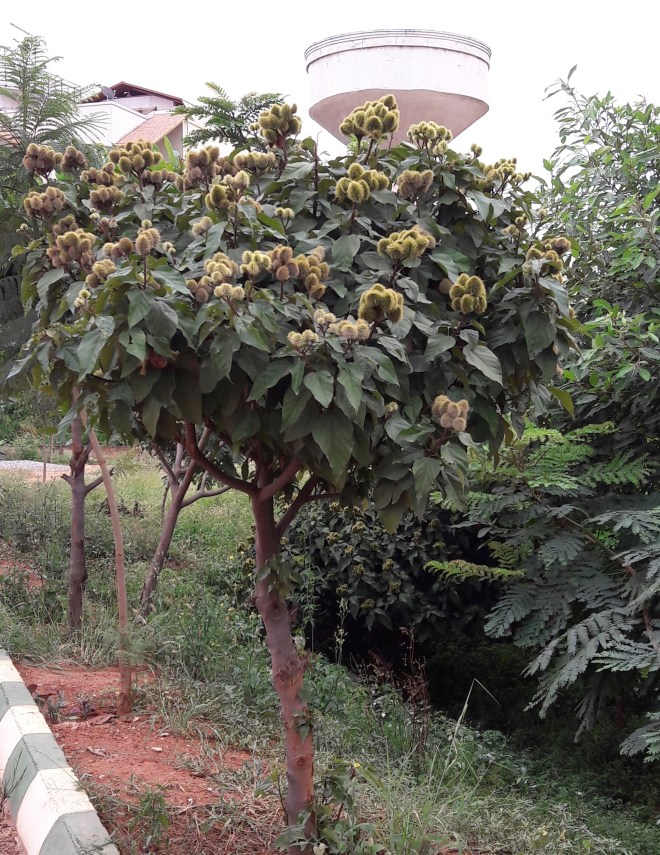
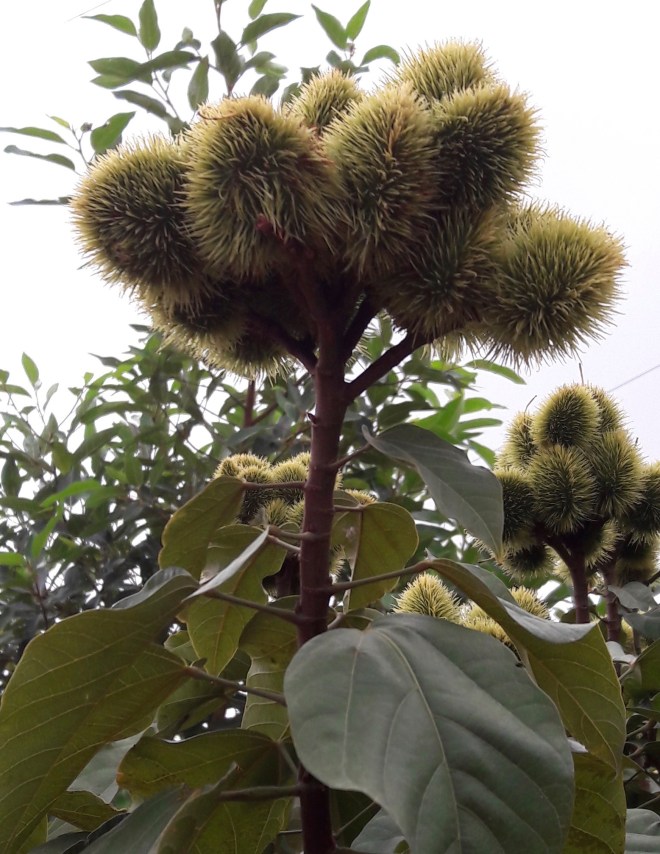 Do you know which tree this is? Anyone? Ferdi?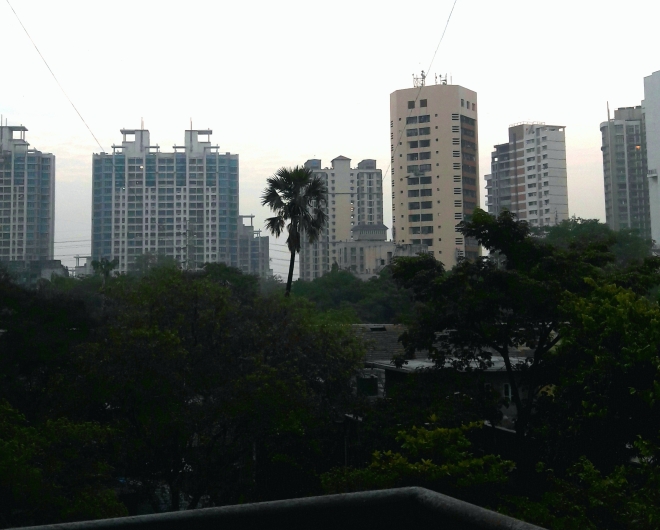




 Stories and more