FF: Spinning a Yarn

Hello! Hope you are having a super day. Here’s my attempt to participate in the weekly flash fiction party hosted by Rochelle where everyone is welcome to join. Click here to read the other stories inspired by the photo prompt below.

PHOTO PROMPT © Ted Strutz

Spinning a Yarn

Words 100

“I want my order on the 15th,” the customer said.

“But Madam,” Rekha pleaded, “30th was the agreed date. Chikankari* is handmade, it’s time-consuming and back-breaking ….”

“I can pay extra.”

“They’re award winning artisans, one can’t just order…”

“How about 30% extra?”

“I‘ll request them.”

 “So darn hot!” Rekha moaned at her artisan’s makeshift shop, a mat, under the banyan tree.

The wizened woman looked up from her embroidery.

“When will my order be ready?”

“Another 10 days.”

“5 days.”

“Sorry Madamji. My son isn’t well and my…”

“Not my business. For each day’s delay, I will deduct 10%.

***

A/N * Chikankari is the technique of creation of a chikan work, which is a delicate hand embroidery on a variety of textile fabrics. Traditional chikankari is white floral embroidery on soft pastel shades of light muslin and cotton. You may visit this link for more information

Thanks for visiting. Would love to know your thoughts. Have a great day 🙂

TankaTuesday #2

Good day! Another attempt to write tanka while participating in Colleen’s #TankaTuesday challenge where the rules are to to write in any of the 24 syllabic forms of Japanese poetry using a kigo or season word as an inspiration. While there are 24 seasons in Japan, we are allowed to use season words as per our region.

I am trying out a tanka and have used ‘Dandiya’ as the kigo word here. Dandiya Raas is a folk dance of western India mostly in the states of Gujarat and Rajasthan. This popular socio-religious dance is performed during the Navaratri (literally – Nine Nights) festival in honor of Goddess Durga who is believed to visit her home on Earth along with her children and their unique animal companions, (but that’s another story for another day, perhaps). This festival usually occurs in the period of late September to late October with the actual dates varying from year to year. Dandiya is performed in memory of Goddess Durga’s victory over Mahishasura (literally – buffalo demon) and the colorful sticks (called dandia) used in the dance represent her sword.

I took this image from this site just to give you a better idea. I hope the kigo word is acceptable?

And the tanka is

Initially I thought of going for just the haiku (the first 3 lines) then felt it could be a tanka as well. Also the explanation seemed a bit disproportionate to the kigo description. Still is actually 😀

That’s it folks. Do let me know your thoughts, comments and tips. Have a great day and thank you Colleen for the challenge.

One-to-Three PPC Challenge #2

Hello to you 🙂 Venturing into the domain of photography I am participating in XingfuMama’s photo challenge. The challenge is simple: take one photo and get creative with it by processing it three different ways.

Here goes:

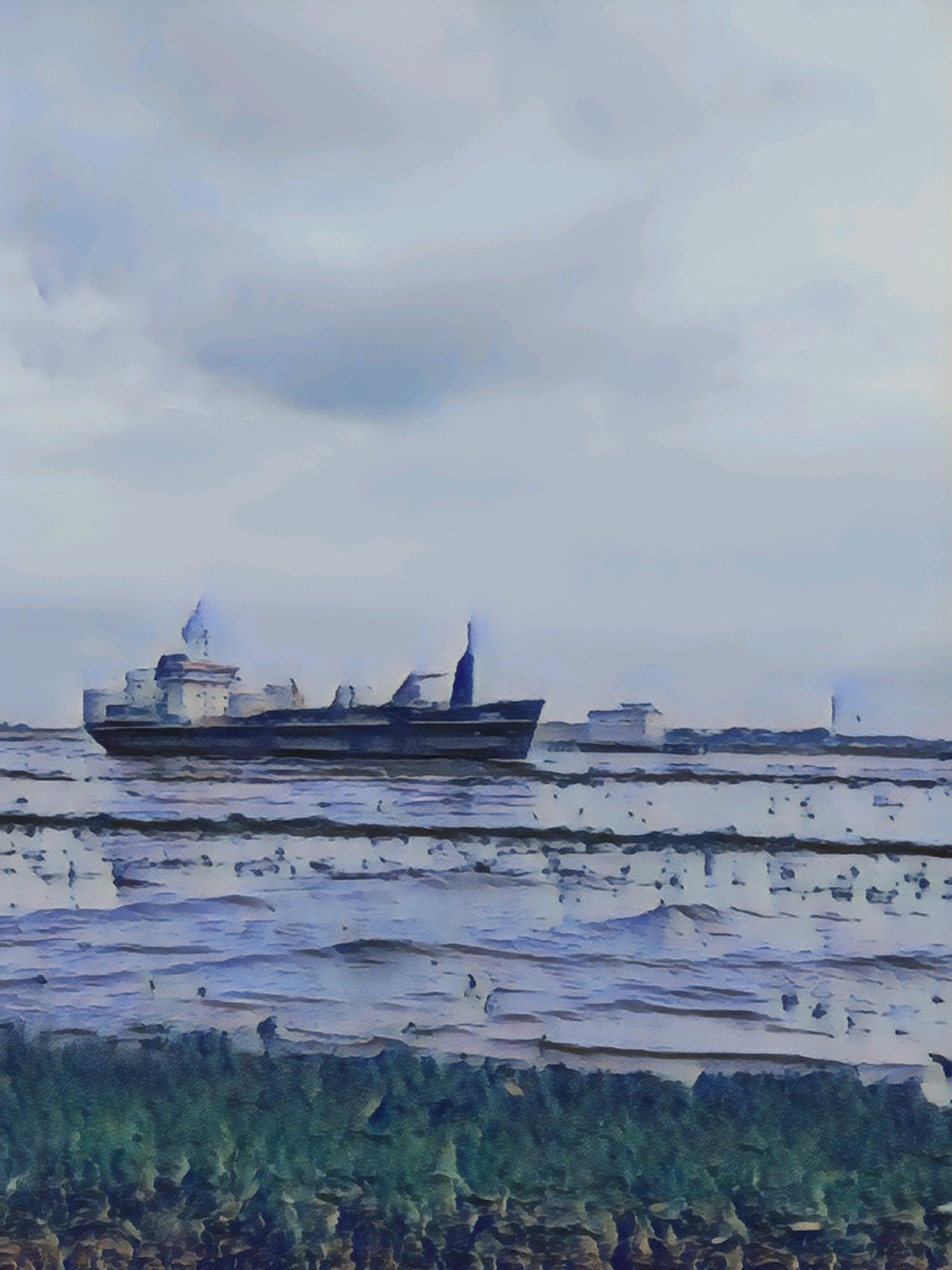
This is the original. This was taken last month at Kochi harbor in Kerala, India. It was a cloudy cool morning and it was such a treat to watch her grow bigger and bigger as she floated back home. I took it on my Samsung Z fold 2 phone camera. No particular setting.

Err, I can’t help but also post a haiku, or attempt at one, inspired by this image. Haiku, as you may know, captures one or two moments  by using clear and vivid images. A haiku, consisting of a phrase and a fragment, is an unfinished poem – the readers interpret what it means by putting the images together. Do share your thoughts and interpretations 🙂

This is the Pen and Wash style availabe in the phone itself.

This is the Watercolor style. Earlier we used to attempt watercolors (not that I ever could!) based on photos and now its the reverse. Fascinating stuff.

For this one, instead of the Styles function, I tried to play around with contrast, exposure, shadow, sharpness etc.

On second thoughts, the version one and two look quite similar, don’t they?

So, what’s the verdict? Suggestions? Tips?

Thanks for visiting. Have a super day.

SSC#1: Number of Fences

This my submission to Terri’s Sunday Stills Challenge on fences of any kind. Initially I thought I wouldn’t be able to participate but now I think I have too many.

Entry for humans beyond the fence is offensive to the law of the land and jungle 😀

There are three kinds of men. The one that learns by reading. The few who learn by observation. The rest of them have to pee on the electric fence for themselves.” Will Rogers

You can of course see the fence but it is the gnarly tree that captures one’s attention, isn’t it? Doesn’t she look as if she is involved in some long standing feud with her own self?

I am a woman in process. I’m just trying like everybody else. I try to take every conflict, every experience, and learn from it. Life is never dull.” Oprah Winfrey

This is another shot another side from the same spot. No sign of conflict here, just peaceful coexistence.

“Coexistence reminds us that together we are stronger.” From the internet

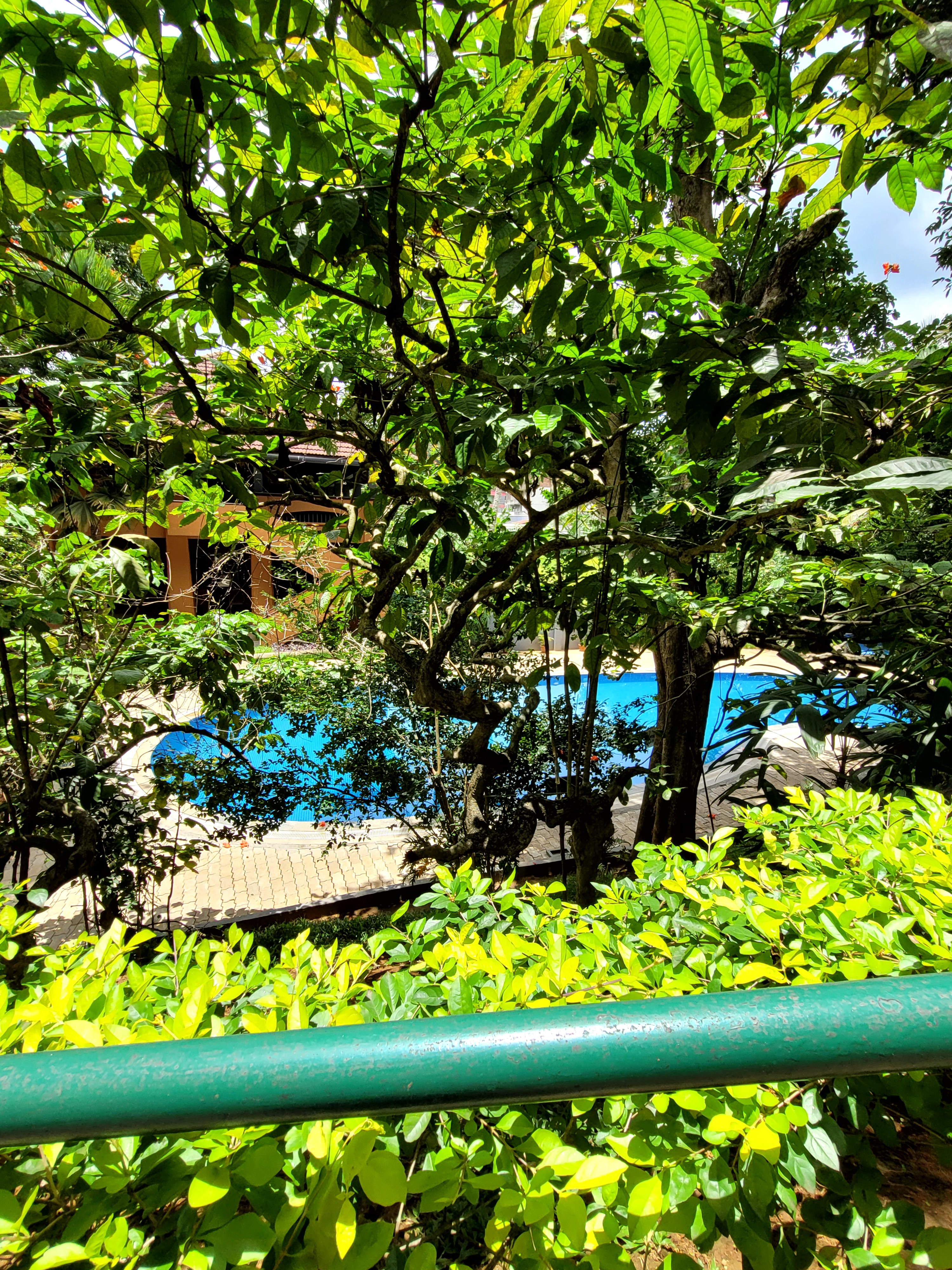
A makeshift fence to demarcate private land cultivating precious spices. Can you guess what the long leafed shrub provides?

A green pearl on the banks of the river Periyar in the South-west mountains”. Chanakya wrote in his ancient Indian treatise on statecraft, political science, economic policy and military strategy, Arthashashtra. It was written in Sanskrit in the 1st millennium BCE.

The photo is also taken around the same place as mentioned by Chanakya and is considered the Queen of Spices. I presume you must have guessed it by now – yes, it’s the green cardamom.

Here the audience is fenced out as experts demonstrate the ancient martial art, Kalaripayattu. Originating in Kerala, India, it is one of the oldest surviving martial arts in world. Kalaripayattu differs from many other martial arts systems in the world in that weapon based techniques are taught first, and barehanded techniques are taught last. Elements from the yoga tradition as well as finger movements in the nata dances, were incorporated into Kalaripayattu.

It was truly a treat to watch the masters fight with swords with sparks flying. They were so swift in their actions, from the shot it appears as if they are bare-handed when actually they are using swords.

I hope it was worth your time to visit. Do let me know your favorite photo – if any. Bye.

WLC#40: A Circular Rainbow

Hello, hope you are having a great day. Today, I am participating in the challenge hosted by XingfuMama which is about Whatsoever is Lovely Challenge – It could be anything: a picture or you can go into detail and tell it as a reflection, story or poem.

So it’s a picture with some detail, processing and a poem 🙂

Recently while on an early morning flight, I was surprised and delighted to see a rainbow that was a circle. Frankly, I had never really thought about it before and always considered the rainbow to be a semi-circle (with a pot of gold at the end) 😀

Apparently, a circular rainbow is a very rare sight, requiring sky conditions to be “just right.” Without any further ado, ta da….

Amazing isn’t it? While this is the original photo, I couldn’t help playing around with the brightness, contrast etc.

Which one do you like better?

Also posting a tanka inspired by this – hope you like

Do let me know your thoughts – thanks for visiting and have a super week.

MWWP: Haiku#1

Hello and a very good day to you. I am attempting to participate in Eugi’s Moonwashed Musings Weekly Prompt – Velvety. It can be any variation of the prompt or the image (below).

Today I am attempting a haiku inspired by this image.

About haiku

Haiku, a Japanese form of poetry, in English, is of three lines with a total of 17 syllables (preferably less). Composed of a phrase and a fragment, it captures one or two moments  by using clear and vivid images. A haiku is an unfinished poem – the readers interpret what it means by putting the images together.

A reader should be able to read the haiku and “see” the images from the words. Haiku usually have an “Aha” moment, which portray a spontaneous moment through the juxtaposition of two sharp images, with a reveal or insight or contrast or leap or pun.

Here’s my attempt:

Well, did it work? Did it create images and a sudden switch? Comments and suggestions welcome.

Thanks for visiting. Have a super weekend.

FF: Off His Chest

Hello everyone! It’s Friday Fictioneer’s time and we have yet another party which you are welcome to join. Thank you Rochelle for hosting it and Jennifer Pendergast for the photo prompt. Click here to join and the Rules are here.

PHOTO PROMPT © Jennifer Pendergast
FF: Off His Chest

Words 100

 “Hello David.”

“Mary? How…When…”

“Why so startled? My first time coming home after my wedding, I had to meet you. Aren’t you going to ask me in?”

“Er….”

“Everything’s the same. That pen stand’s the one I gifted you? Aww, David. Still pining for me? Sorry, darling but it’s time you moved on.”

“Um…”

“I love this quaint chest. Remember how I used to hide here whenever the doorbell rang? Ha. Ha!” She opened the chest. “Eeeks!

“Hi Mary.” Raina popped out.

“Why’re you hiding here?”

“I thought it was his mom. How’s Shailesh?”

“You know my husband?”

“Sort of. My ex-boyfriend.”

***

PS: In view of the confusion, I edited it. Hope it reads better now. Thanks for your support.

TankaTuesday #1

Good day to everyone. Another attempt to write tanka while participating in Colleen’s #TankaTuesday challenge where the rules are to to write in any of the 24 syllabic forms of Japanese poetry using a kigo or season word as an inspiration. While there are 24 seasons in Japan, we are allowed to use season words as per our region.

I hope I have understood the rules 🙂

I belong to India and the monsoon season is still lingering around, although I believe it has begun its, albeit belated, withdrawal.

So monsoon is my kigo. While the tanka is not exactly 5/7/5/7/7 syllables, I believe a total of 31 syllables or less is also acceptable. Am I right? Did this work? I also wasnt sure if I was supposed to include the image. Would love to know your thoughts, comments and suggestions.

Thanks for visiting and reading. Have a super day.

WLC#39: The Viewpoint

Hello, hope you are having a grand day. Today I am attempting to participate in a new challenge hosted by XingfuMama which is about Whatsoever is Lovely Challenge – It could be anything: a picture or you can go into detail and tell it as a reflection, story or poem.

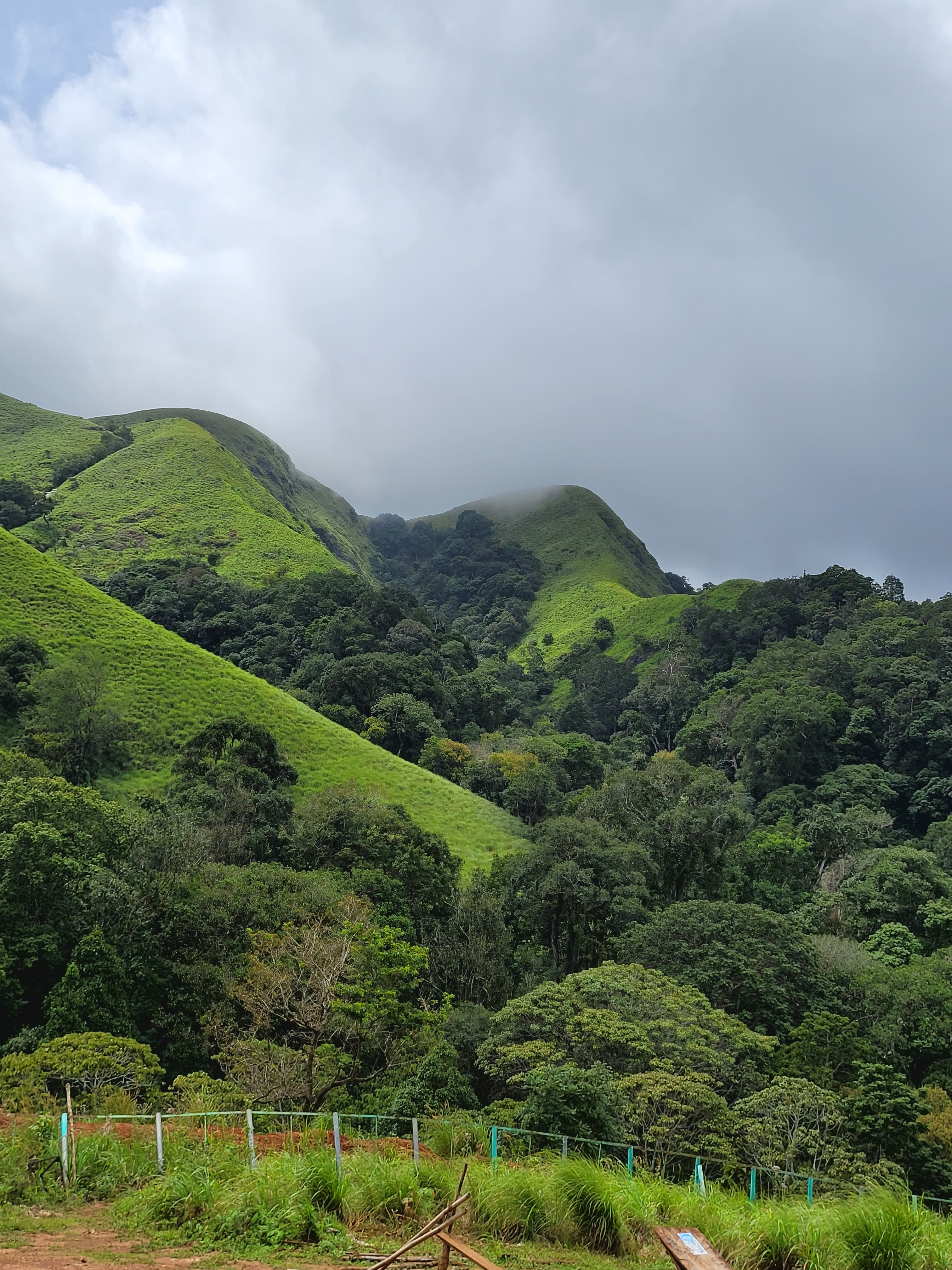
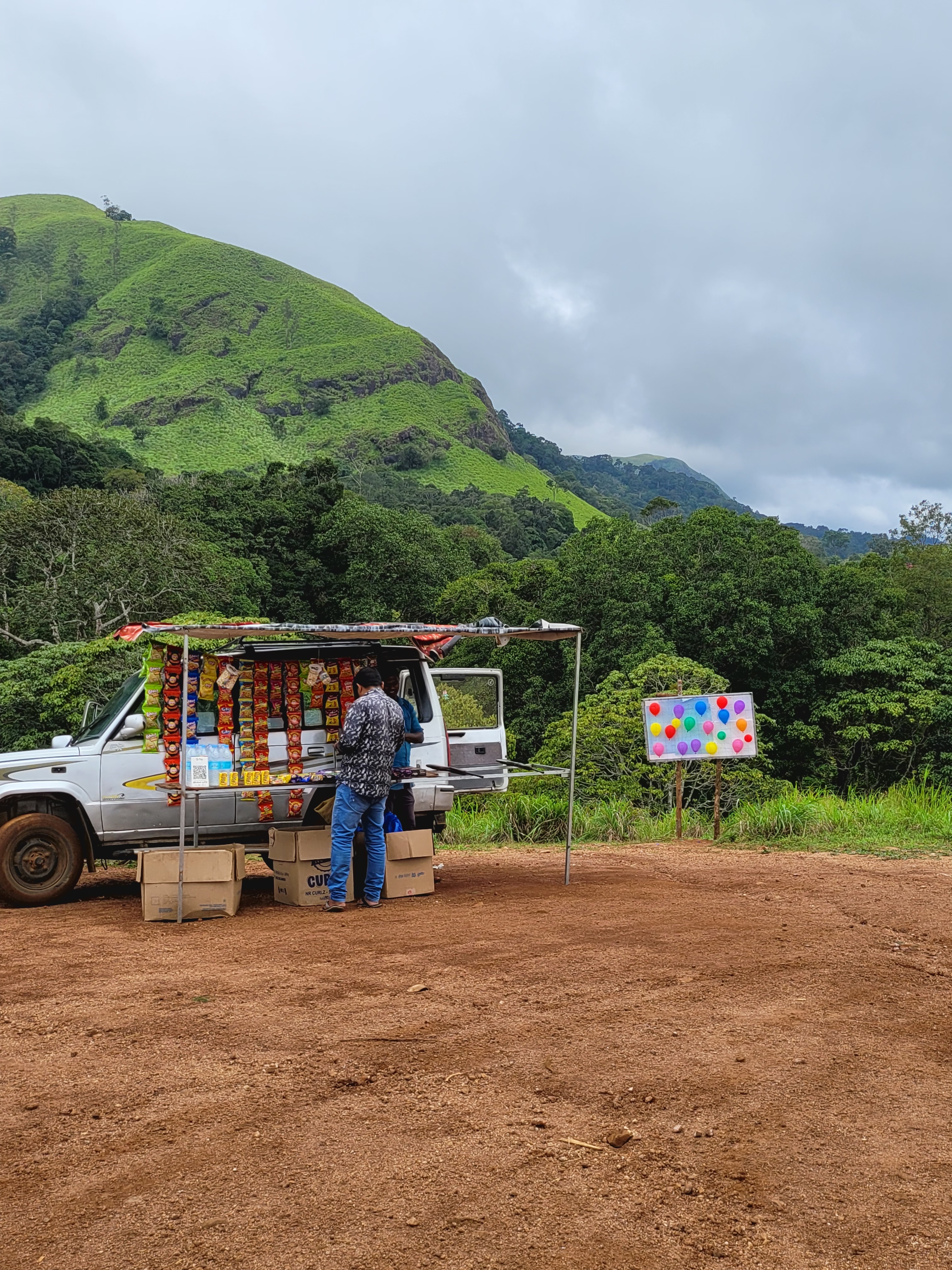
I would like to present a true story. It happened on my recent travels to Gavi near Thekkady, Kerala, India, where I found myself guilty of being biased and judgemental.

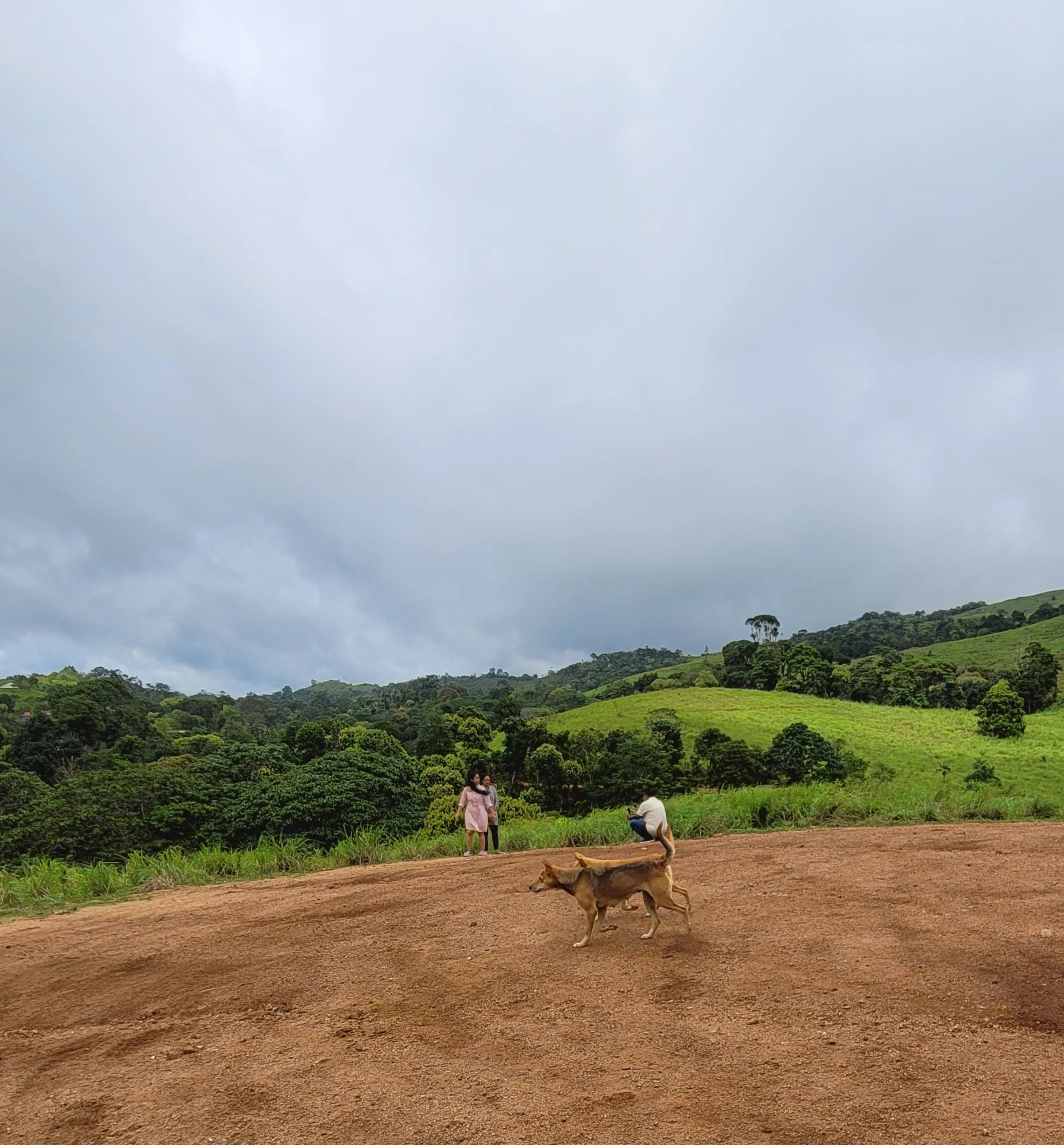
Here we were at a viewpoint deep in the midst of the rolling gorgeous greenery of the Gavi inside the Ranni reserve forest. The sky was overcast and breeze was cool and I was in seventh heaven of delight. I gobbled up the sights – the short tree, the light green, the stocky one, the balding one, while the driver-cum-guide attempted to spot wildlife for our perusal.

To be honest, there were none. Just a couple of dogs, mom and child, gambolling about. What do they eat in this wilderness I wondered. I was distracted by another jeep load of chattering tourists that drove up to ‘our’ point and disembarked. There goes our peace and silence.

One of the tourists went straight to the parked truck. Can you imagine? At this scenic sight, all he could think of was food? Or perhaps a try at the balloons? Sheesh. I rolled my eyes.

I flushed and cringed at my petty thinking. He had rushed to buy biscuits for the dogs. Hats off to the kind gentleman with his heart in the right place.

Thanks for visiting. Have a super day.

MWWP: Tanka #1

Hello and a very good day to you. I am attempting to participate in Eugi’s Moonwashed Musings Weekly Prompt – Gingered Sky. It can be any variation of the prompt or the image (below). Click here to read the other entries on the prompt.

I am attempting to present a Tanka inspired by the image. For the uninitiated (and also for myself as I struggle to grasp the finer nuances) Tanka is a popular Japanese form of poetry that is a total of 31 syllables or less separated into 5 lines. Tanka are not (necessarily rhyming) poems about seasons, nature, desires, mood or emotions, using literary devices, such as personification, metaphors etc. Tanka is characterized by a turn, known as the pivot (third line), which marks a sudden shift from one image to that of another such as a personal reference.

The haiku on the other hand is a Japanese poem with three lines of not more than 17 syllables usually referencing a season with a twist or an ‘aha’ moment in the final like.

It also may be noted that the Japanese form of poetry avoids the use of titles and capitalization of any word. If I may add, that since this is a very short poem, each word is important and may hold different connotations and perhaps best read slowly, absorbing while picturizing what each word is trying to paint/convey. Otherwise, one tends to miss the ‘aha’ moment. At least, that has been my learning.

More than a decade ago, when I first developed an interest in writing, I had dabbled in haiku and tanka forms before switching to fiction writing. Once again, I am going where the muse leads me. Thank you for your company on this journey.

twilight –

the sun sets on another day

reflections

of all that which could

have been

I struggled with these five lines for over five hours. Seriously. I gave up and posted this. What do you think? Does it work as a tanka? Any suggestions? I am open to constructive criticism. Do let me know. Thanks. Have a great day 🙂