
Image from here
When he was 10 years old, Haldhar Nag lost his father and was forced to drop out of school to sustain his family. He worked as a dishwasher at a local eatery. Later he became a cook at a high school, where he worked for 16 years. As schools mushroomed, he took a loan of Rs 1000 (about 16 $ today) and opened a stationery shop for school children. He used to fill ink pens for 10paisa (I can’t even do the Math – neither can Google!).
Why am I telling you all this?
Today his humble shop has been renovated and is frequented by his admirers and researchers. What’s more, in 2016, the President of India awarded him the Padma Shri. There are 5 PhD theses on the writings of this barely ‘literate’ man from Odisha.
A Kosli (or Sambalpuri) language poet, Nag wrote his first poem Dhodo Bargachh (The Old Banyan Tree) when he was 40. It was published in a local magazine. Subsequently he sent four poems to the magazine and all of which were published.
There was no looking back. A prolific writer, Nag has a series of works to his credit including poetry collection Bhaab, Surut and more than 20 epics like Achhia, Bachhar, Mahasati Urmilla, Siri Samalai, Santha kabi Bhimabhoi, Rushi kabi Gangadhar to name a few.
Sambalpur University in Odisha, is now coming up with a compilation of his writings – Haldhar Granthabali-2 – which will be a part of the university’s syllabus.
In addition, Nag has a phenomenal memory. He remembers each of his works and can reel them off on demand. The quintessential Indian, he always dons a white dhoti and a vest. He has never worn any footwear. Popularly known as Lok Kabi Ratna in Odisha, he writes mostly on nature, society, mythology and religion. Social oppression and exploitation, protection of human dignity and women’s issues are some of the topics that are close to his heart.
Haldhar Nag has a huge following in Odisha and Chatishgarh where they flock to listen to his readings. His technique and way to writing serve as inspiration to poets and has triggered a HaldharDhara in Odisha. I hope that soon someone takes up the task of translating Nag’s work so that it is available to a larger audience.
Haldher Nag’s journey from a class 3 dropout dishwasher to an acclaimed author is the stuff of fairy tales and awe inspiring. And I thought quite the perfect submission for the monthly We Are the World Blogfest which seeks to promote positive news.
Do share your views, opinions, suggestions and positive news.
Thank you for reading 
For readers of Moonshine, here's Chapter 136

 It can be plain old mud, fine as dust, scattered by a gust of wind or washed away in a summer shower.
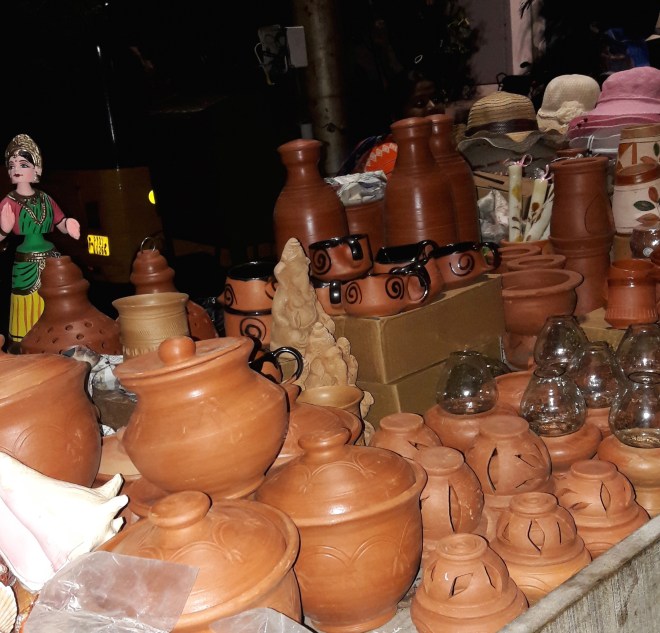 Yet, add a measure of water, light a fire and it can become almost anything you would like it to be – earthenware
 or terracotta buildings that can last centuries.
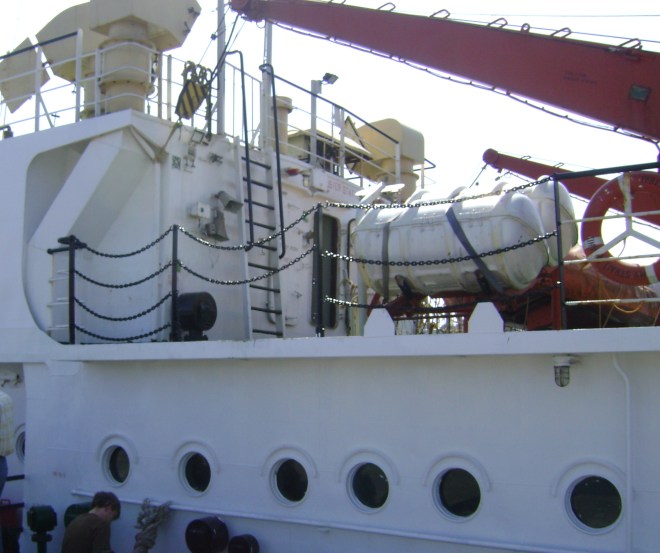
 A warship – isn’t she impressive?
 From the ferry taking us to Sweden from Denmark
 This one is honking and snorting steam, ready to take us to Havelock Islands, Andaman and Nicobar Islands.
 Cutting across the ocean, striding ahead without a care in the world
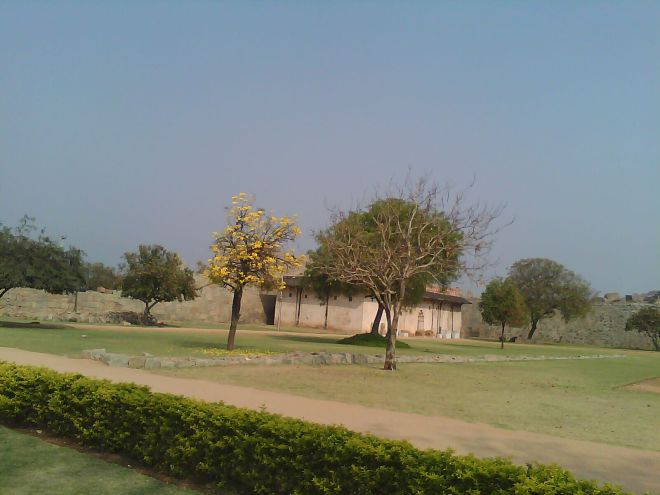 Couldn’t resist a final photo – Autumn or is it spring?
 They carried their footwear in their hands while they cut across from one gate to another. Notice anything out of the ordinary? Burqa clad women, in deference to Hindu sentiment, also walk across the temple complex, barefoot.
 “I don’t see myself as extremely handsome. I just figure I can charm you into liking me.” Wesley Snipes
 Stories and more